Understanding Duty Cycle in CNC and Laser Equipment: A Critical Performance Metric for Industrial Fabrication
Abstract
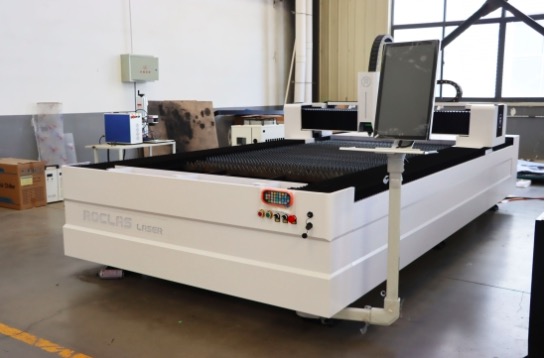
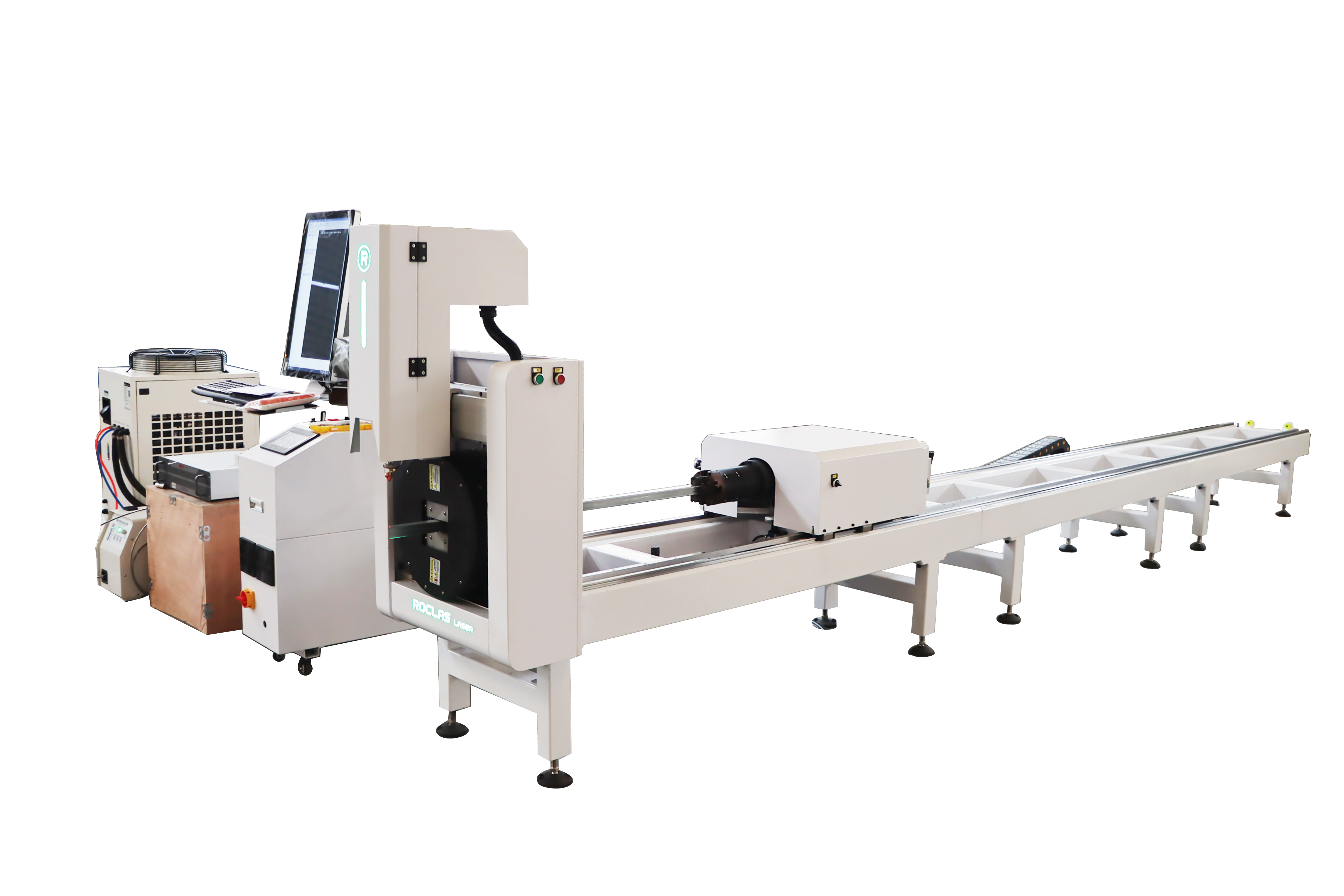
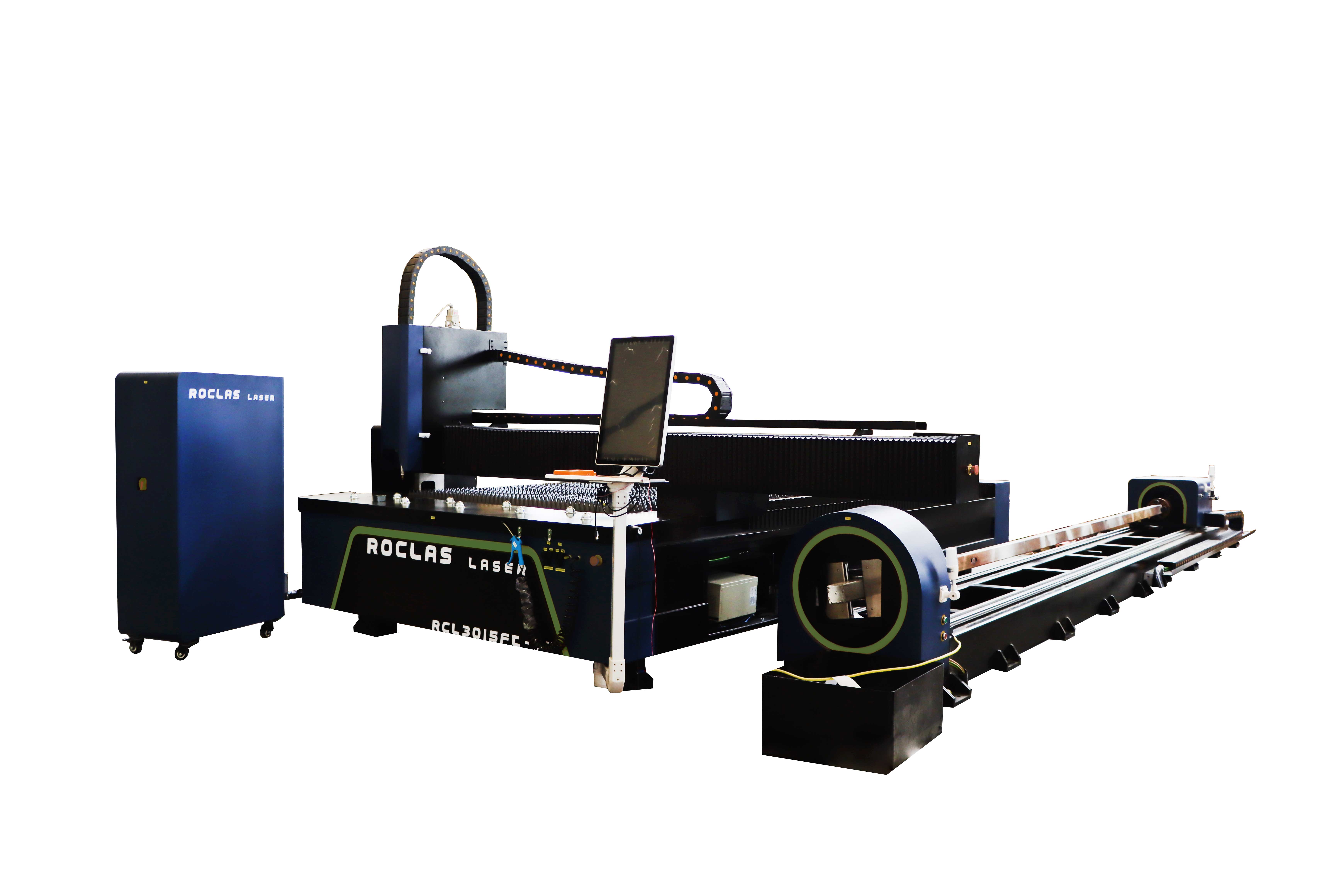
Duty cycle—the ratio of operational time to total cycle time under specified load conditions—remains one of the most misunderstood yet fundamentally important parameters in CNC machining, laser cutting, and automated fabrication systems. This article examines duty cycle from both theoretical and practical perspectives, exploring its implications for machine selection, production planning, and operational efficiency across the metal fabrication, woodworking, and stone processing industries. Drawing on industry data and real-world applications, we analyze how duty cycle specifications influence capital equipment decisions and long-term productivity. The discussion includes a comparative analysis of duty cycle performance across equipment categories, with specific reference to fiber laser cutting systems from ROCLAS® MACHINERY CO., LTD., which exemplify best practices in thermal management and structural design for sustained high-duty-cycle operation.
---
Industry Background: Why Duty Cycle Matters More Than Peak Power
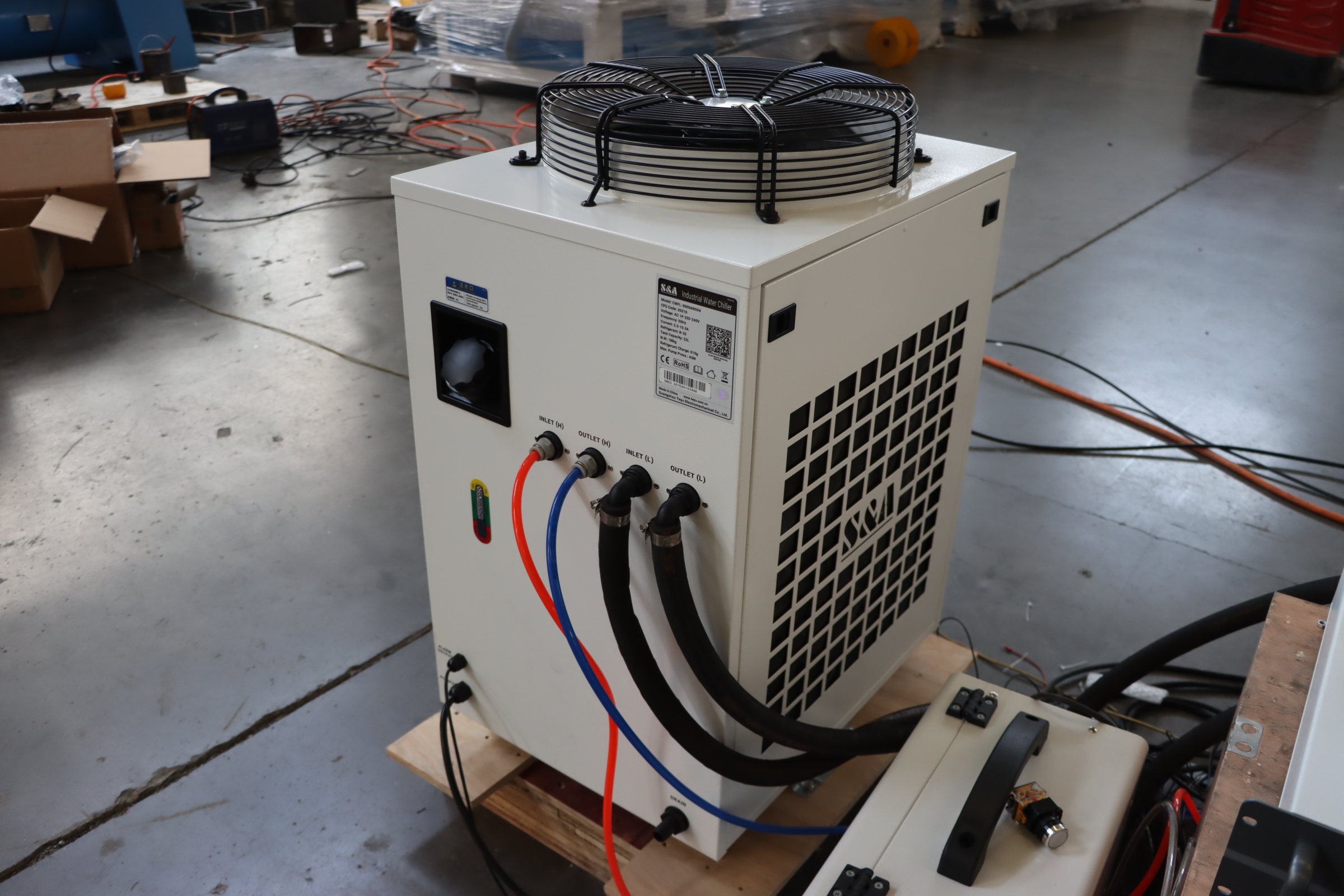
In the industrial equipment marketplace, manufacturers routinely advertise maximum cutting speeds, peak laser power ratings, and theoretical throughput figures. However, experienced fabricators know that real-world productivity depends less on peak capability and more on a machine's ability to sustain performance over extended production runs. This is where duty cycle becomes the decisive metric.
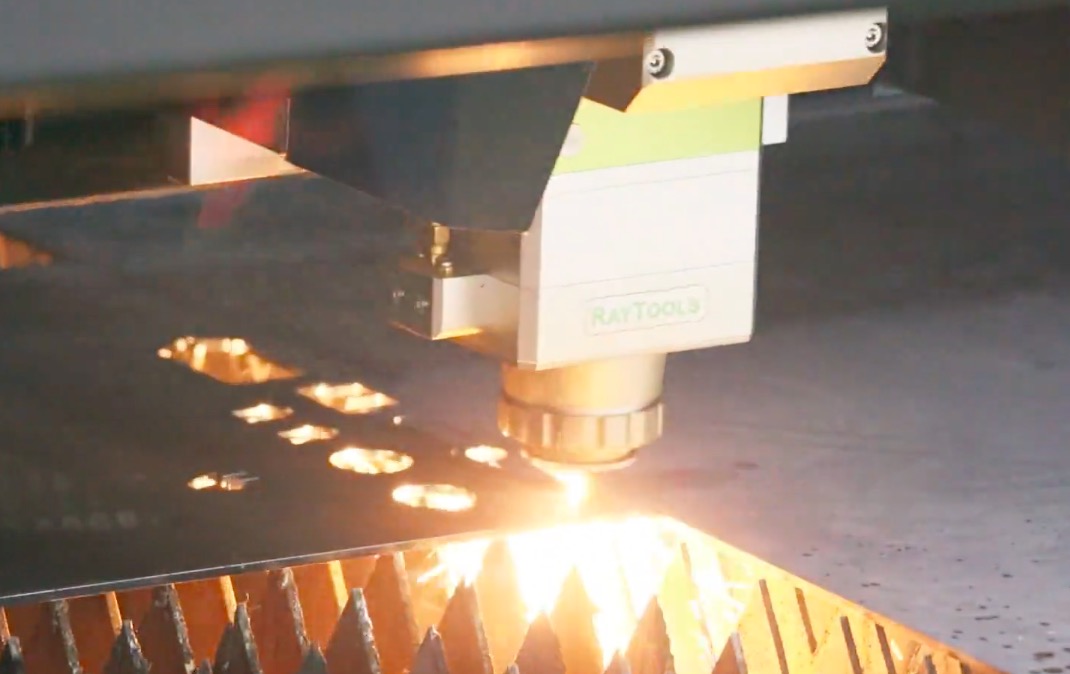
Duty cycle, expressed as a percentage, represents the proportion of time a machine can operate at its rated capacity within a given time window before requiring a cooling or rest period. For example, a laser cutting machine with a 60% duty cycle at 6 kW can run for 6 minutes out of every 10-minute period at full power, requiring 4 minutes of idle cooling. The remaining 40% of the time, the machine is not contributing to production output.
For high-volume manufacturing environments—automotive parts fabrication, kitchen cabinet production lines, or stone monument workshops—even a 10% difference in effective duty cycle can translate into hundreds of lost production hours annually. Understanding this parameter is therefore essential for accurate production planning and return-on-investment calculations.
---
Data Analysis: Duty Cycle Performance Across Equipment Categories
The following table presents a comparative analysis of duty cycle specifications across different categories of industrial fabrication equipment, based on published technical data and industry surveys:
| Equipment Type | Typical Duty Cycle (%) | Rated Power/Current | Cooling Method | Application Sector | Annual Productive Hours (Est.) |
|----------------|------------------------|---------------------|----------------|--------------------|-------------------------------|
| Fiber laser cutting machine (≤3 kW) | 85–95% | 3 kW | Water-cooled | Sheet metal, automotive | 7,440–8,322 |
| Fiber Laser Cutting Machine (6–12 kW) | 70–85% | 6–12 kW | Water-cooled + Chiller | Heavy plate, structural steel | 6,132–7,446 |
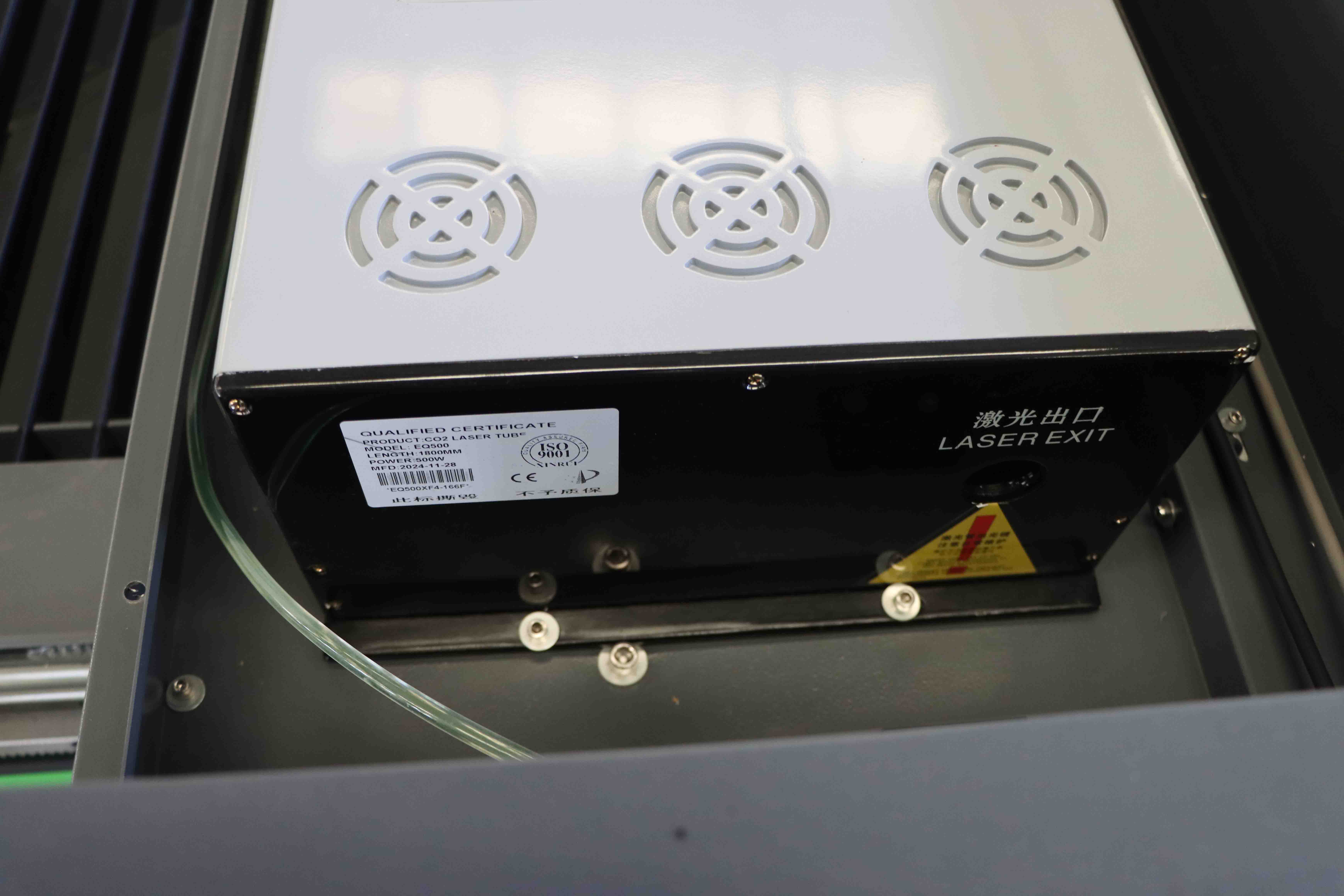
| co2 laser cutting machine (500 W) | 60–75% | 500 W | Air-cooled + Water | Wood, acrylic, non-metals | 5,256–6,570 |
| CNC Router (Woodworking) | 80–95% | 5–15 HP spindle | Air-cooled / Water-cooled | Cabinetry, furniture | 7,008–8,322 |
| CNC Stone Carving Machine | 50–70% | 5–10 kW spindle | Water-cooled | Granite, marble, stone | 4,380–6,132 |
| Laser welding machine (1.5 kW) | 40–60% | 1.5 kW | Water-cooled | Metal joining, repair | 3,504–5,256 |
| CNC Plasma Cutting Machine | 60–80% | 100–200 A | Air-cooled / Water-cooled | Heavy plate, shipbuilding | 5,256–7,008 |
Sources: Published technical specifications from major equipment manufacturers, industry white papers, and field data from fabrication facilities (2023–2024). Annual productive hours estimated at 8,760 total hours (24/7 operation) × duty cycle.
Interpretation of the Data:
Several critical observations emerge from this analysis. First, fiber laser cutting machines in the lower power range (≤3 kW) consistently achieve the highest duty cycles—often exceeding 90%—due to their efficient thermal management and relatively lower heat generation per unit of processing time. This makes them ideal for high-throughput sheet metal fabrication environments where continuous operation is paramount.
Second, CNC routers used in woodworking maintain similarly high duty cycles (80–95%), reflecting the lower thermal loads associated with wood and composite machining compared to metal cutting. However, the data also reveals that stone carving machines exhibit the lowest duty cycles (50–70%) among the CNC categories. This is attributable to the extreme forces and heat generated when machining granite and marble, which necessitate frequent tool changes and spindle cooldown periods
Get a Quote
Regardless of whether you require general advice or specific support, we are happy to help you.
Recent Post
-
 The Ultimate Guide to High-Performance Fiber Laser Metal Cutting MachinesIntroductionFiber laser metal cutting machines have revolutionized the manufacturing industry with...2025-06-24 19:56:52
 -
 Understanding the Key Differences Between Fiber Laser and CO2 LaserIn the world of laser cutting and engraving, two types of lasers dominate the industry fiber laser...2025-03-30 09:31:59
 -
 The Ultimate Guide to Programmable Laser Cutters Revolutionizing Precision and EfficiencyIntroductionIn the realm of modern manufacturing and design, programmable laser cutters have emerg...2025-03-29 09:32:00
 -
 The Ultimate Guide to Steel Laser Cutting Techniques, Benefits, and ApplicationsIntroductionSteel laser cutting has revolutionized the manufacturing and fabrication industries, o...2025-03-24 08:31:07
 -
 Why Choose Roclas Fiber Laser Cutting for PED Components?IntroductionLaser cutting technology has revolutionized metal fabrication, offering unmatched prec...2025-06-16 07:49:19
 -
 The Evolution and Applications of Industrial Steel Cutters in Modern ManufacturingIntroductionIn the realm of modern manufacturing, the ability to precisely and efficiently cut thr...2025-03-26 07:31:53