Fiber Laser Cutting Machines: Driving Precision and Productivity in Modern Metal Fabrication
Abstract
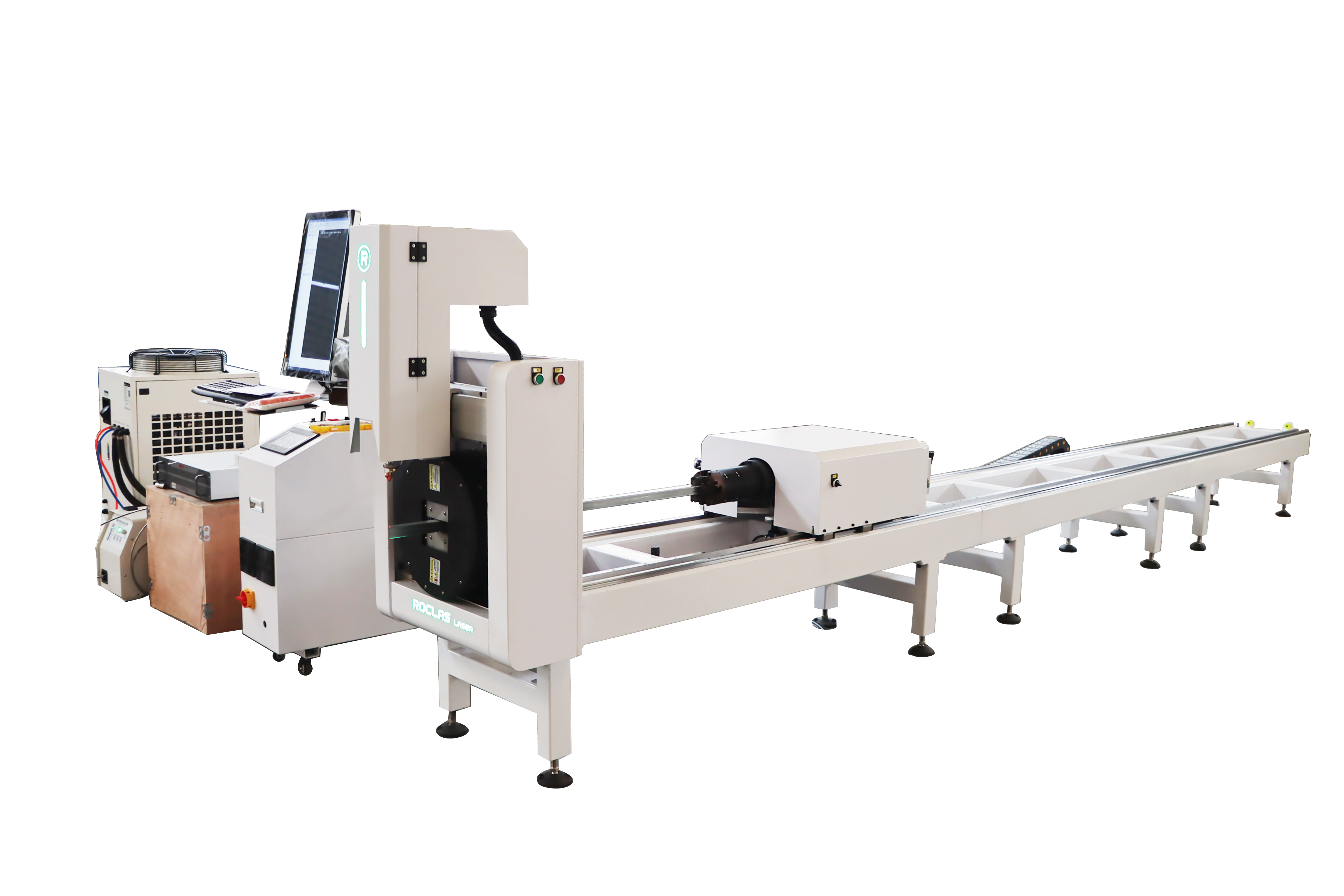
The Fiber laser cutting machine has emerged as a cornerstone technology in contemporary metal fabrication, replacing traditional methods with unmatched speed, precision, and versatility. This article examines the current market landscape, technological advancements, and application trends shaping the fiber laser cutting industry. Drawing on industry data and technical specifications from leading manufacturers, we analyze how innovations in laser sources, motion control, and system integration are redefining production capabilities. Special attention is given to the role of established OEMs like ROCLAS® MACHINERY CO., LTD. in delivering robust, high-performance solutions for diverse industrial sectors.
---
1. Industry Background and Market Dynamics
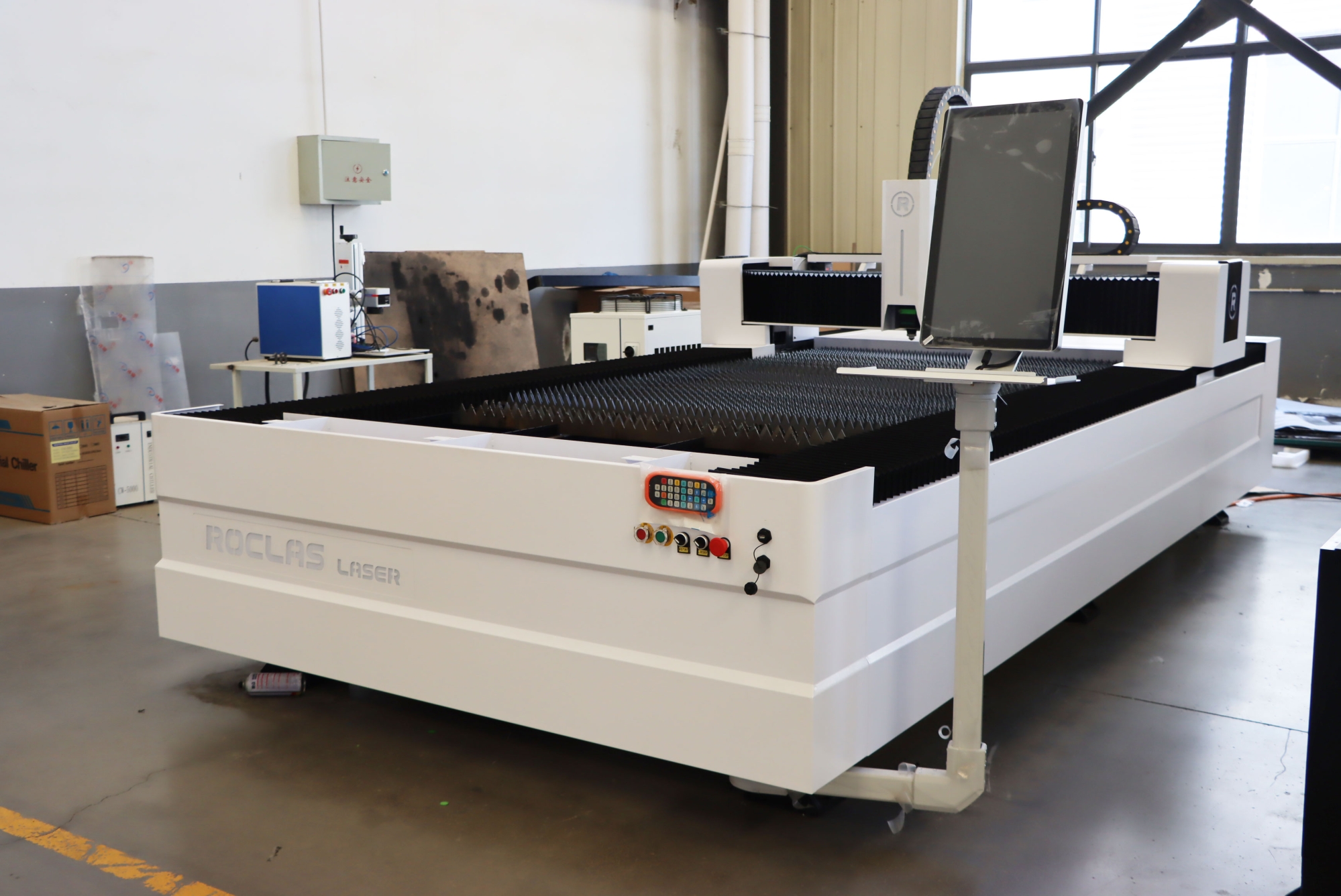
The global fiber laser cutting machine market has experienced sustained growth over the past decade, driven by the expansion of automotive, aerospace, electronics, and construction industries. Unlike CO2 or plasma cutting technologies, fiber lasers offer superior beam quality, higher electrical efficiency, and lower maintenance requirements. These advantages have propelled their adoption across small workshops and large-scale manufacturing plants alike.
A key driver is the declining cost of fiber laser sources—particularly from Chinese manufacturers such as Raycus and MAX—which has made high-power systems accessible to a broader customer base. Simultaneously, end-users demand greater automation, integration with Industry 4.0 frameworks, and the ability to process reflective materials like copper and aluminum without risk of back-reflection damage.
The following table summarizes the global market segmentation by laser power range and key application areas, based on aggregated industry data from 2023–2024:
| Power Range | Market Share (%) | Primary Applications | Typical Material Thickness (Mild Steel) | Average System Cost (USD) |
|-------------|-----------------|----------------------|----------------------------------------|---------------------------|
| ≤ 1.5 kW | 18% | Thin sheet, signage, hobbyist | ≤ 3 mm | $18,000 – $35,000 |
| 2 – 4 kW | 35% | General fabrication, automotive parts | 3 – 8 mm | $35,000 – $65,000 |
| 6 – 10 kW | 30% | Heavy fabrication, structural steel | 8 – 16 mm | $65,000 – $120,000 |
| ≥ 12 kW | 17% | Shipbuilding, thick plate processing | > 16 mm | $120,000 – $250,000+ |
Analysis: The mid-power segment (2–4 kW) commands the largest share due to its versatility—it handles the majority of sheet metal jobs in job shops and OEM production lines. However, the high-power bracket (≥12 kW) is growing faster in absolute revenue, driven by demand for thick-plate cutting in energy and heavy machinery sectors. Notably, the ≤1.5 kW segment remains relevant for entry-level users and specialty applications, though margins are compressed by intense competition.
---
2. Technological Core: From Laser Source to System Integration
Modern fiber laser cutting machines are no longer just point-and-shoot tools; they represent a tightly integrated system of optics, motion control, and software intelligence.
2.1 Laser Sources and High-Reflectivity Processing
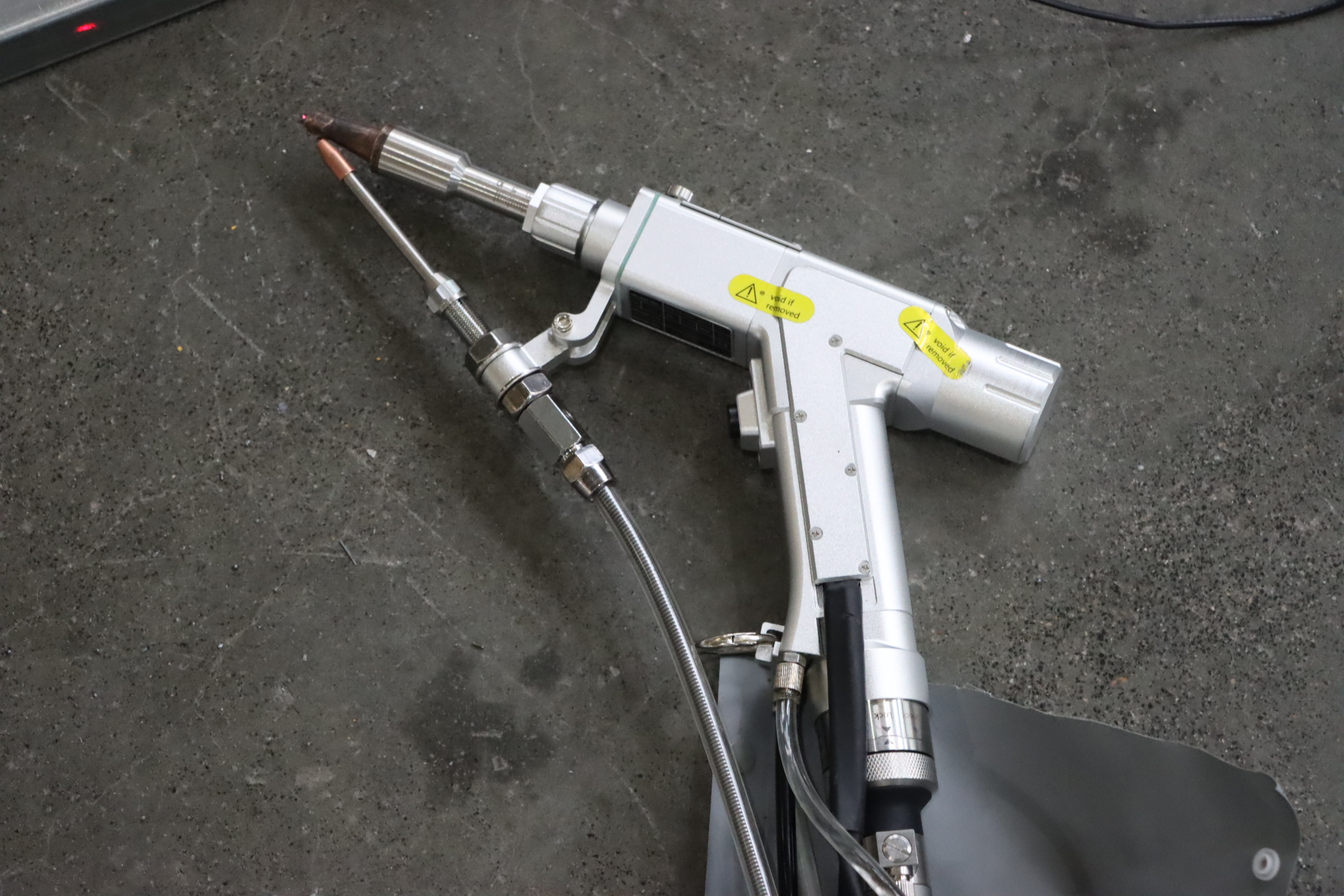
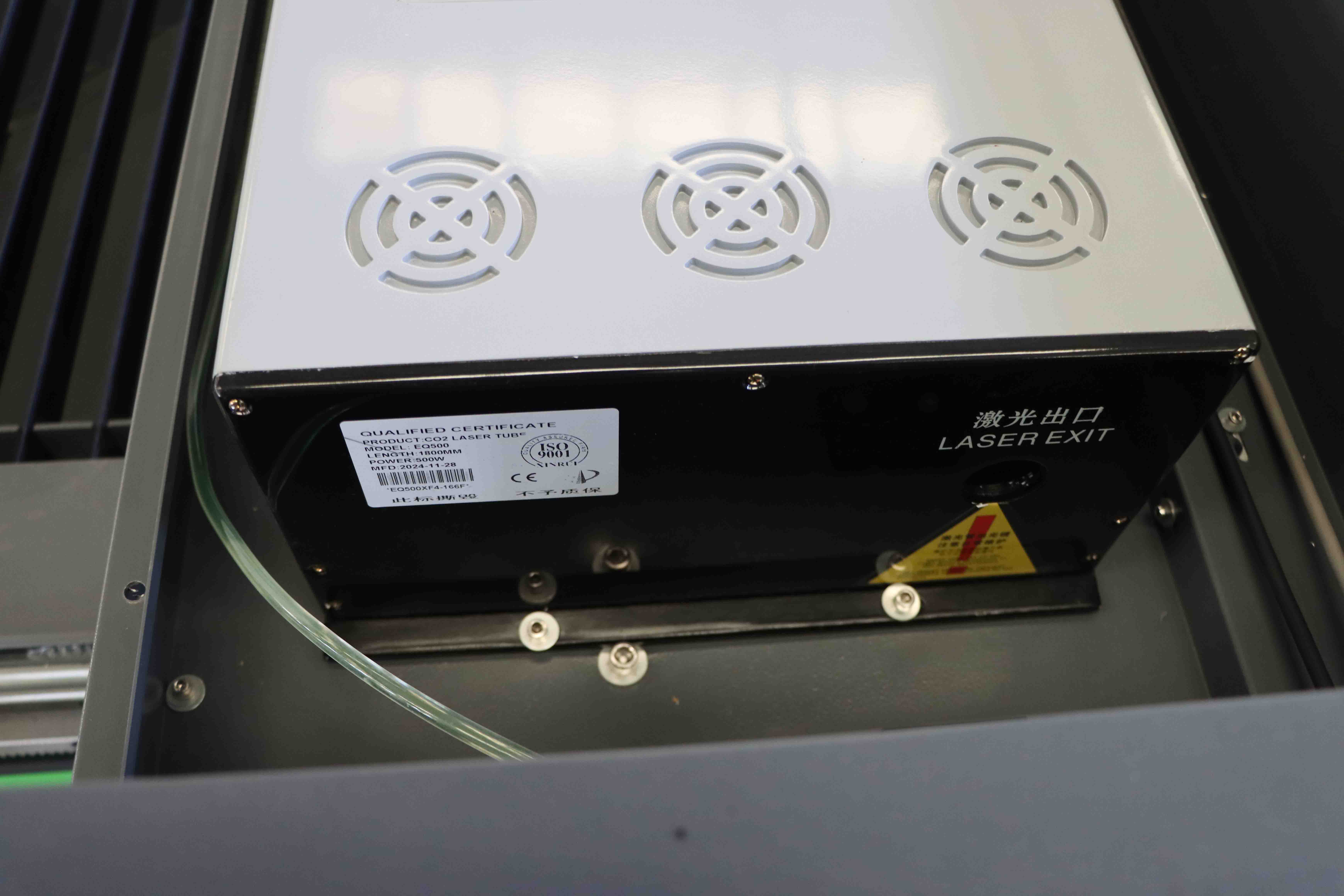
The laser source remains the heart of the system. Raycus and MAX dominate the Chinese market with power levels ranging from 1 kW to 20 kW. A critical advancement is the high-reflectivity suppression module, which allows stable cutting of copper (up to 2 mm) and aluminum (up to 3 mm) without damaging the source. This capability was historically exclusive to more expensive European lasers, but has now become standard in mid-range systems.
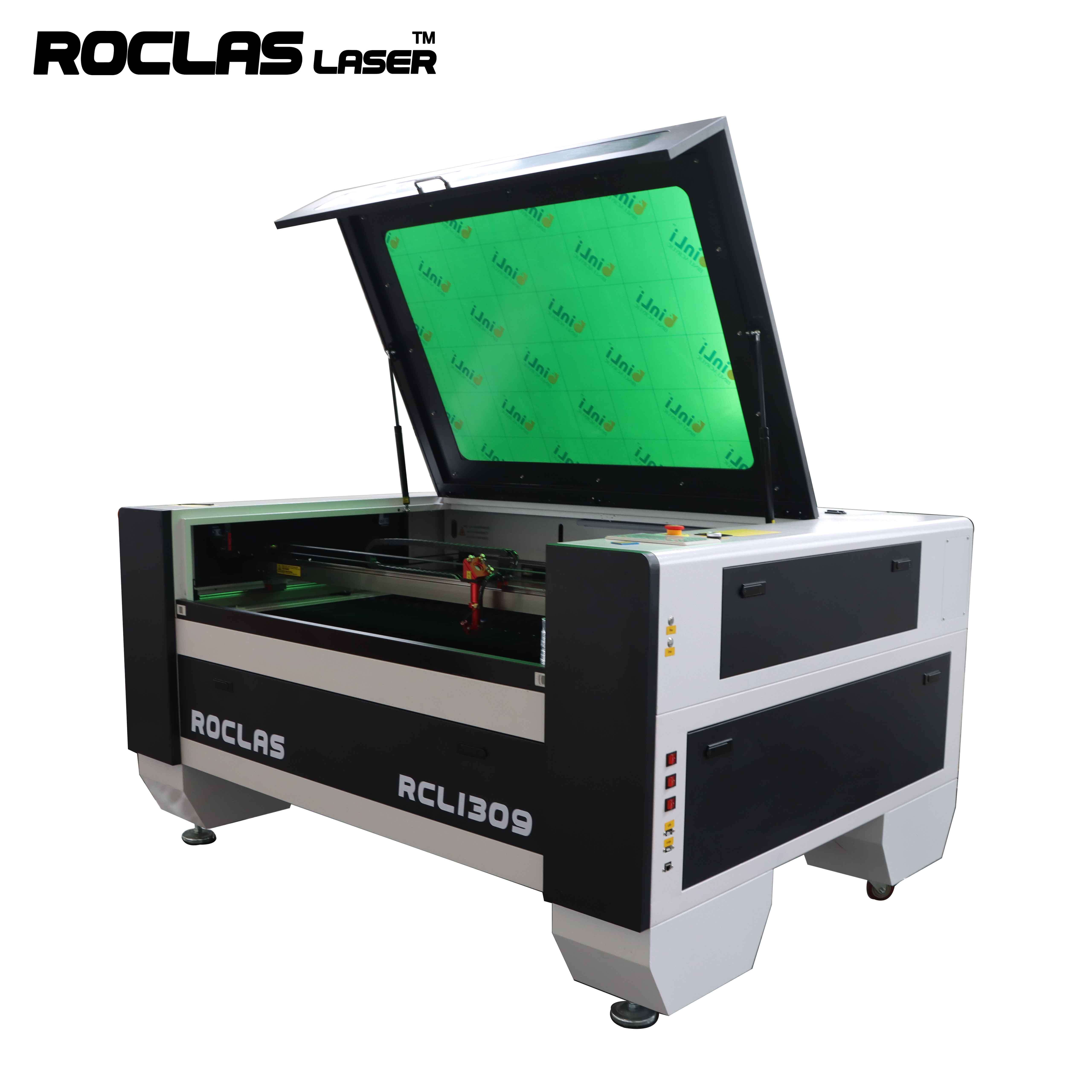
ROCLAS® MACHINERY CO., LTD. equips its fiber laser cutting machines with these modules, enabling users to process reflective metals reliably. This is particularly valuable in industries such as HVAC—where copper coils are common—and electrical component manufacturing.
2.2 Motion Control and Structural Rigidity
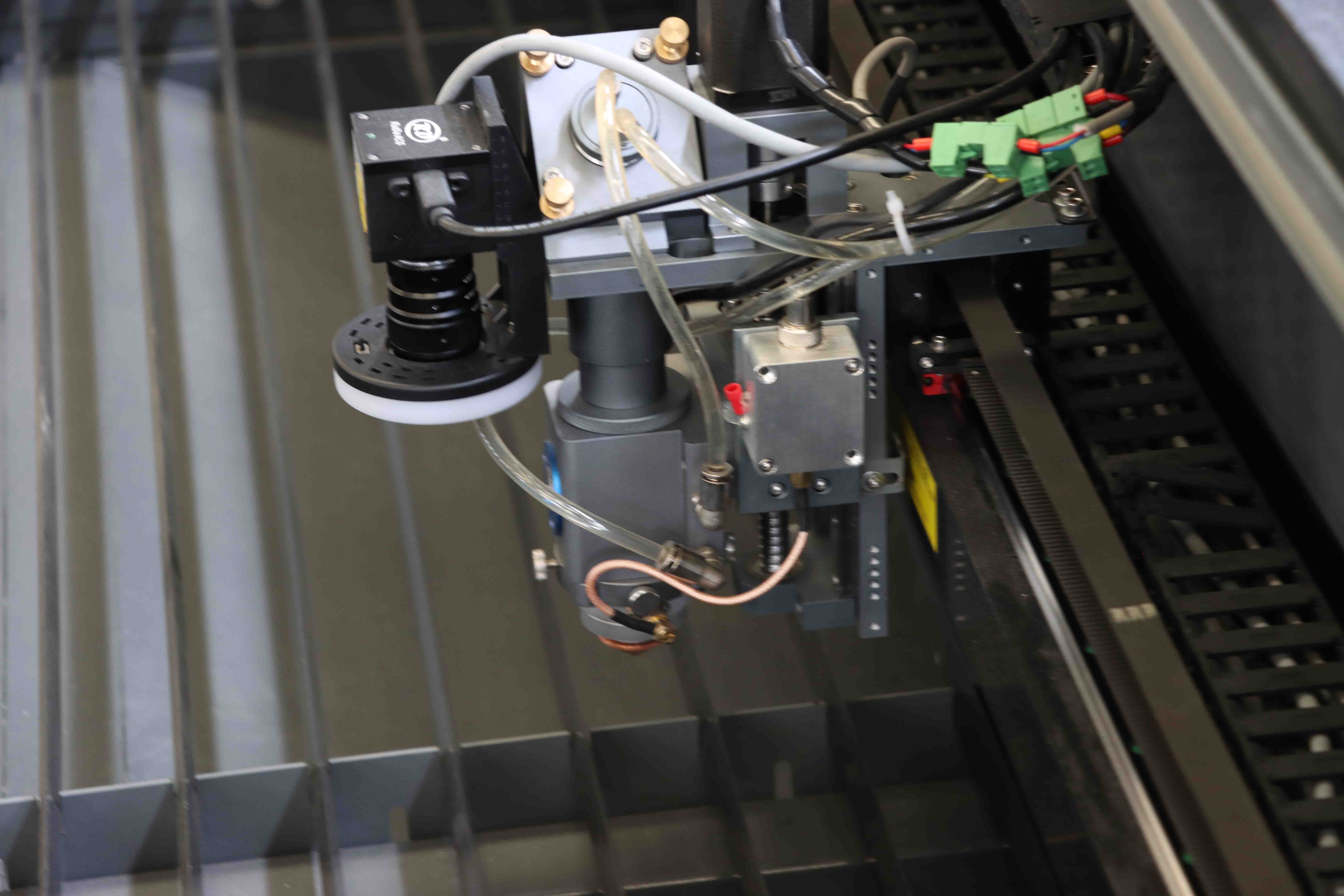
Precision in sheet metal cutting demands not only a stable laser beam but also a mechanically rigid platform. Positioning accuracy of ±0.03 mm and repositioning accuracy of ±0.02 mm are now attainable with gantry-style machines featuring industrial-grade heavy-duty steel structures. ROCLAS machines, for instance, are manufactured using CNC five-face machining centers to ensure parallelism and flatness across the entire bed.
Servo drive systems from Leadshine, combined with imported reducers and cables from igus, enable travel speeds up to 100 m/min and acceleration of 1.0G. This translates to reduced cycle times and higher throughput—essential for high-volume production environments.
2.3 Control Software and Nesting Efficiency
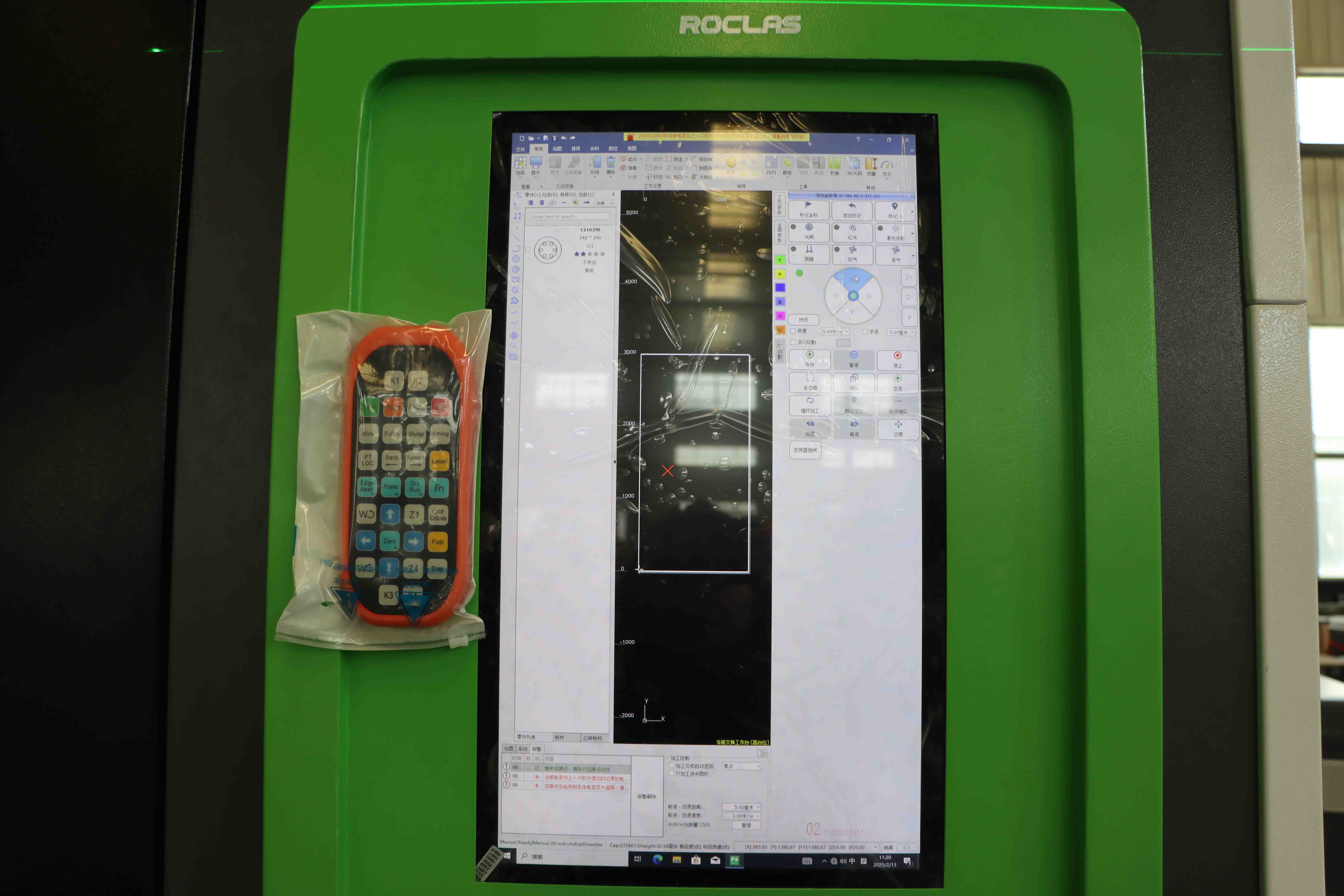
The Cypcut 3000S control system has become a de facto standard in Chinese-built fiber laser machines. It offers automatic nesting algorithms that optimize material utilization,
Get a Quote
Regardless of whether you require general advice or specific support, we are happy to help you.
Recent Post
-
 The Ultimate Guide to High-Performance Fiber Laser Metal Cutting MachinesIntroductionFiber laser metal cutting machines have revolutionized the manufacturing industry with...2025-06-24 19:56:52
 -
 Understanding the Key Differences Between Fiber Laser and CO2 LaserIn the world of laser cutting and engraving, two types of lasers dominate the industry fiber laser...2025-03-30 09:31:59
 -
 The Ultimate Guide to Programmable Laser Cutters Revolutionizing Precision and EfficiencyIntroductionIn the realm of modern manufacturing and design, programmable laser cutters have emerg...2025-03-29 09:32:00
 -
 The Ultimate Guide to Steel Laser Cutting Techniques, Benefits, and ApplicationsIntroductionSteel laser cutting has revolutionized the manufacturing and fabrication industries, o...2025-03-24 08:31:07
 -
 Why Choose Roclas Fiber Laser Cutting for PED Components?IntroductionLaser cutting technology has revolutionized metal fabrication, offering unmatched prec...2025-06-16 07:49:19
 -
 The Evolution and Applications of Industrial Steel Cutters in Modern ManufacturingIntroductionIn the realm of modern manufacturing, the ability to precisely and efficiently cut thr...2025-03-26 07:31:53