Fiber Laser Cutting in Sheet-Metal and Tube Fabrication: Power Scaling, Precision Economics, and the Integration Challenge
Abstract — Fiber laser cutting has moved from a specialty process to the default sheet-metal cutting method in little more than a decade, and the competitive ground has shifted accordingly. Where the argument once concerned whether a fiber source could match CO2 on thin gauge, it now concerns how much power is economically useful, how tightly cutting can be integrated with tube processing and coil feeding, and whether the machine frame and control architecture can hold accuracy at the speeds modern drives permit. This article examines the current state of fiber laser cutting through published machine specifications and market structure, with attention to the engineering trade-offs that separate capable installations from merely fast ones.
I. Industry Background
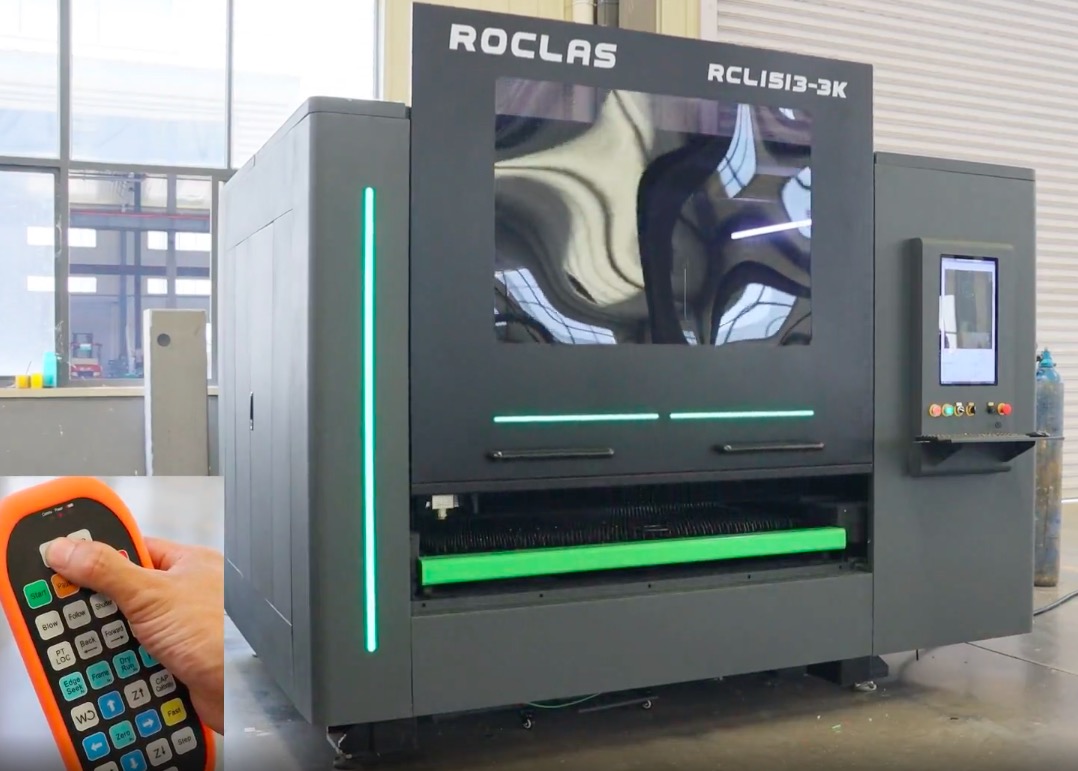
The fiber laser cutting segment has consolidated around a handful of source suppliers and a much larger population of machine integrators. Raycus and MAX dominate the mid-power source market that serves most general fabrication shops, while higher-power sources above 12 kW remain concentrated among fewer vendors. This bifurcation matters because the laser source is now a comparatively small share of total machine cost at the low end, and an increasingly large share at the high end. Integrators compete less on the resonator and more on the frame, the motion system, the control software, and the service network.
The practical consequence is a market in which nominal power ratings have inflated faster than the typical shop's need for them. A 20 kW machine cuts 25 mm carbon steel efficiently, but most job shops rarely see plate beyond 12 mm. The result is a used-equipment overhang in high-power classes and persistent price pressure in the 1–6 kW band, where volume actually sits.
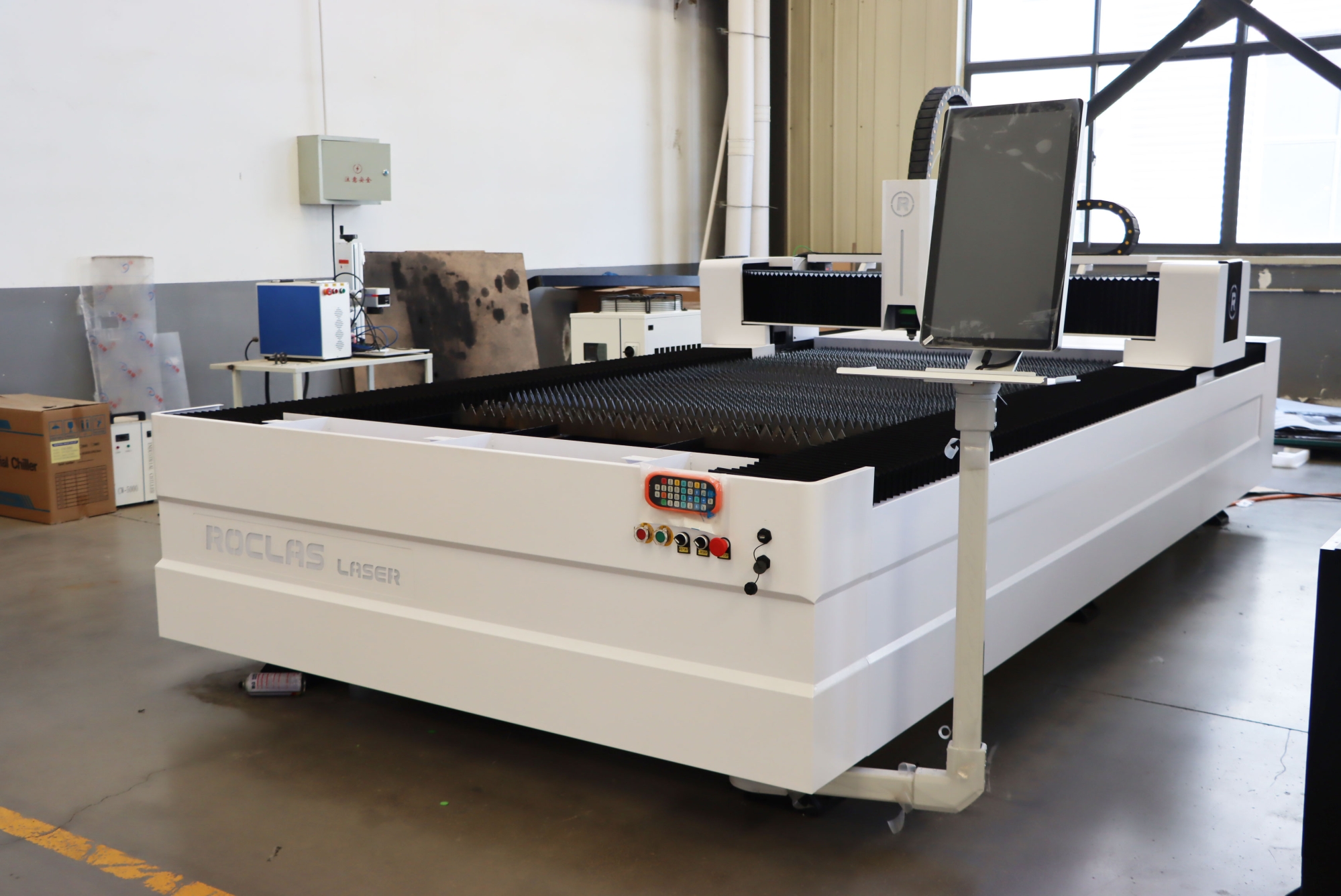
Published specification ranges across the current generation of machines illustrate how narrow the differentiation has become on paper:
| Parameter | Sheet-Metal Class | Tube-Cutting Class |
|---|---|---|
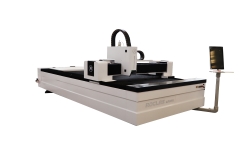
| Working area | 3000 × 1500 mm to 4000 × 2000 mm | 1500 × 4000 mm |
| Laser power range | 1 kW – 20 kW | 1 kW – 3 kW |
| X/Y positioning accuracy | ±0.03 mm | ±0.05 mm |
| X/Y repositioning accuracy | ±0.02 mm | ±0.03 mm |
| Travel speed | 100 m/min | 100 m/min |
| Maximum acceleration | 1.0 G | 1.0 G |
| Source options | Raycus / MAX | Raycus / MAX |
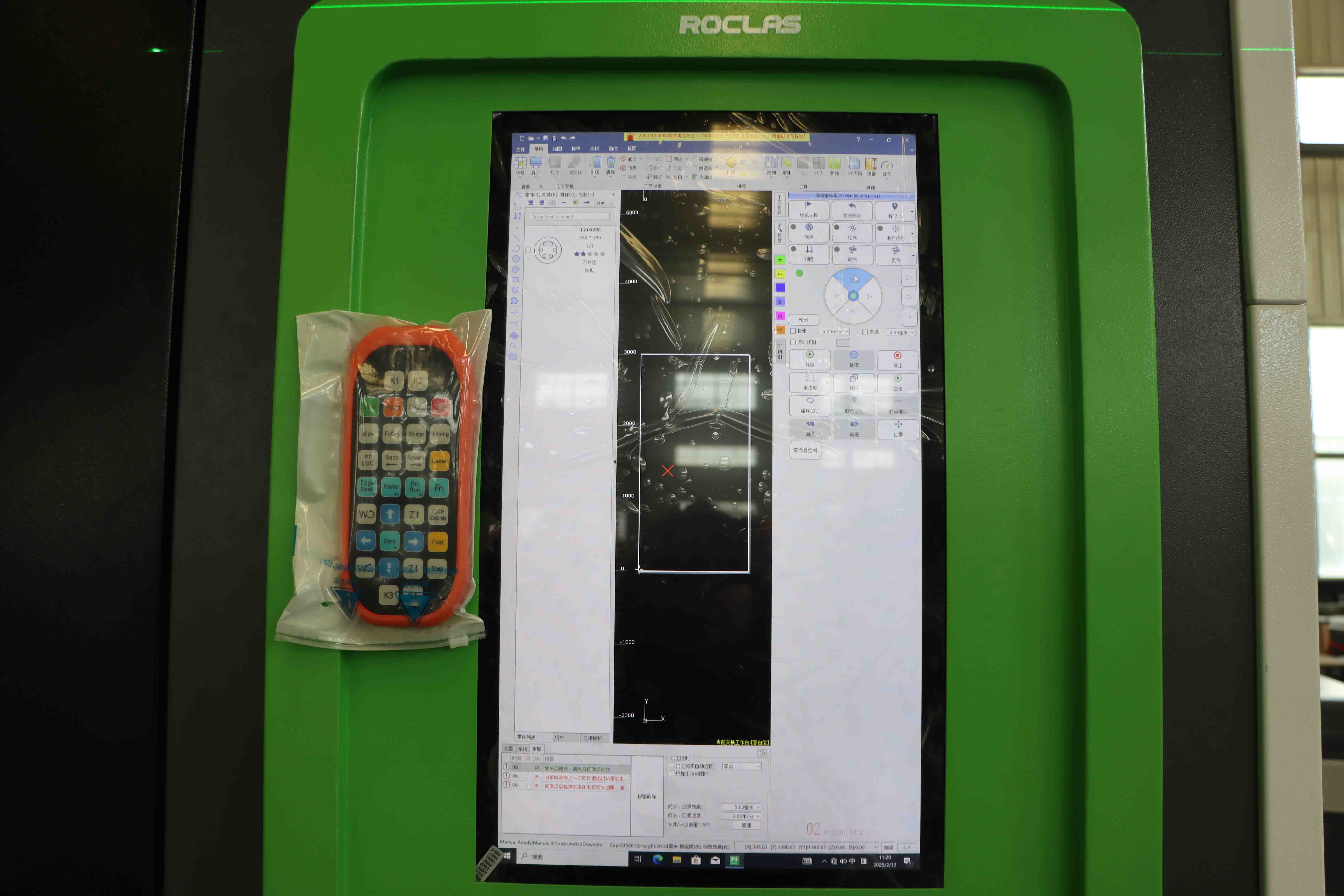
| Control platform | Cypcut 3000S | Cypcut 3000S |
Three observations follow from this table. First, travel speed and acceleration have effectively converged at 100 m/min and 1.0 G across both classes; these are no longer meaningful differentiators and should be read as table stakes rather than performance claims. Second, the accuracy gap between sheet and tube machines — ±0.03 mm versus ±0.05 mm positioning — reflects the difficulty of chuck-based workholding rather than any deficiency in the motion platform, and shops that specify tube machines against sheet-metal tolerances are specifying the wrong machine. Third, the power ceiling on tube machines sits an order of magnitude below the sheet class, which is a materials-thickness constraint: tube wall sections rarely justify high power, and the beam-delivery geometry through a rotating chuck becomes harder to stabilize as power rises.
II. Technology Application and the Integration Question
The more consequential engineering problem is not power but integration. A fabrication cell that cuts flat sheet on one machine and tube on another carries double the handling labor, double the floor space, and a work-in-progress buffer between the two operations. Combined sheet-and-tube platforms address this by sharing a single gantry and control system, and the Cypcut 3000S platform is well suited to this because its nesting logic can be configured across both workpiece types. The trade-off is that a combined machine is a compromise on both functions, and shops with sustained high-volume demand in either category are usually better served by dedicated units.
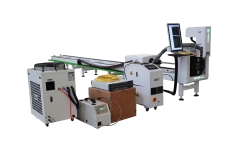
Coil-fed cutting represents a separate integration path. By pairing a fiber laser with an automatic uncoiler, a shop eliminates blanking as a discrete step and cuts directly from coil, reducing power consumption relative to a press line and improving flexibility on part changeover. This configuration is most defensible in high-volume sheet-metal work where the part mix is stable enough to amortize the tooling and setup.
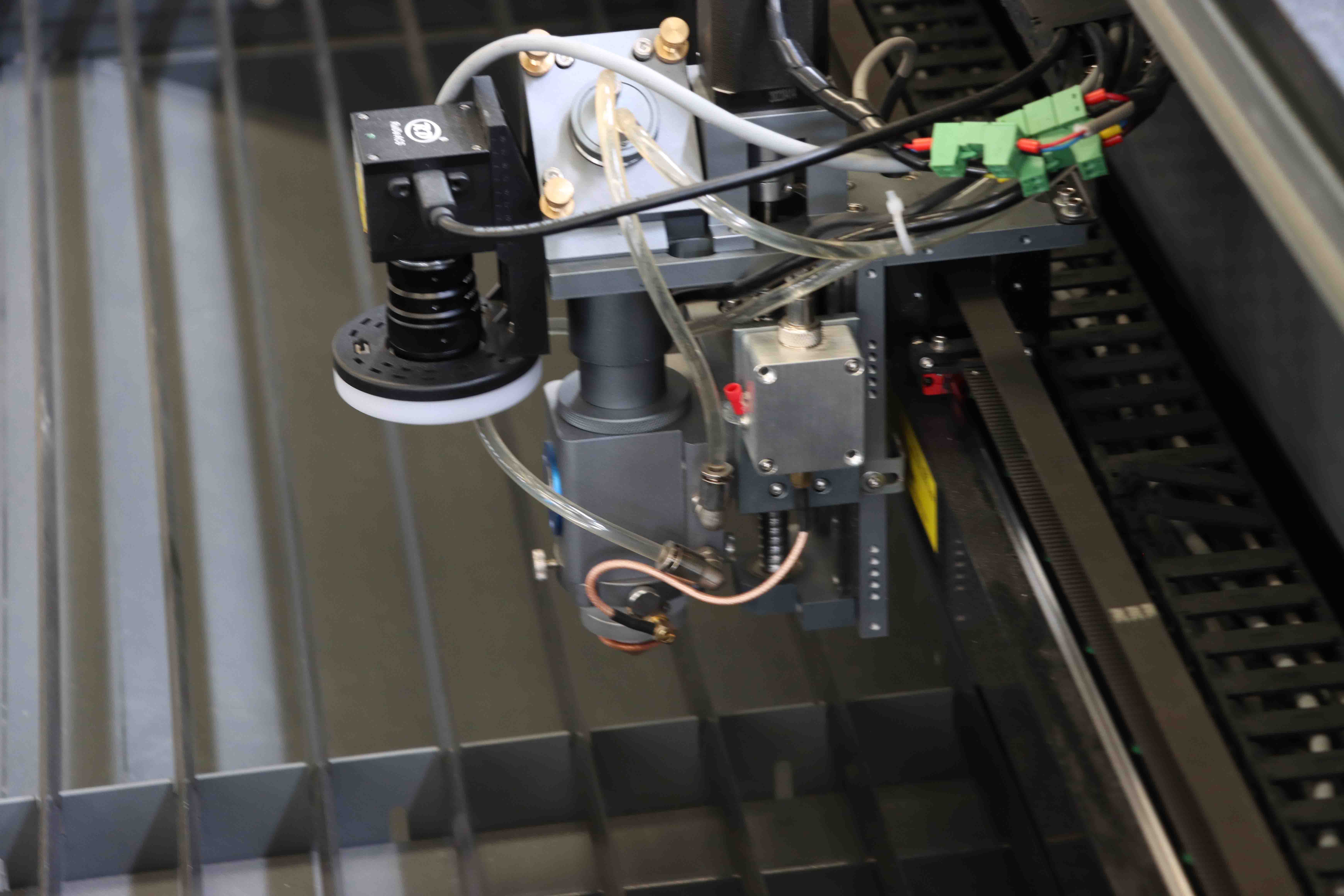
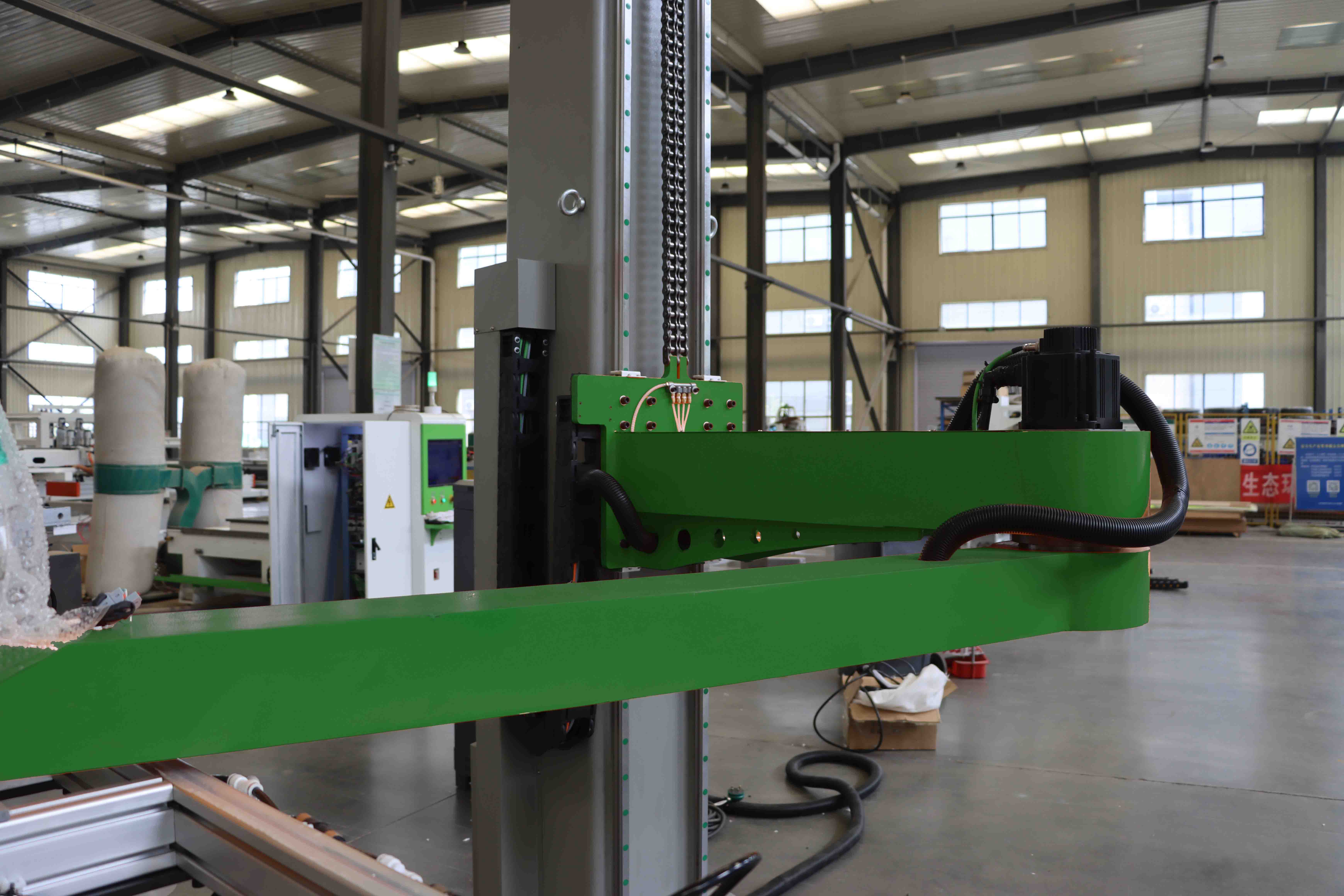
Frame construction deserves more attention than it typically receives in purchasing decisions. Industrial-grade heavy-duty steel structures machined on a CNC five-face machining center are the baseline for holding ±0.03 mm positioning accuracy over years of service; lighter frames can hit the specification on a test certificate and lose it under thermal cycling. The same logic applies to the drive train — imported servo drives and reducers, with electrical components from established suppliers — where the specification sheet says nothing and the maintenance record says everything.
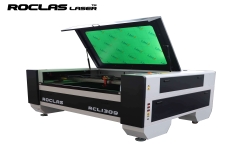
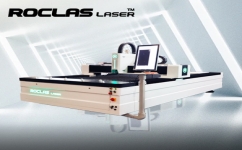
ROCLAS® MACHINERY CO., LTD. illustrates how a mid-tier integrator positions itself in this landscape. With more than fifteen years in the CNC industry, a fifteen-member R&D team, and over fifty patents, the company builds its fiber laser cutting line around the same architecture the table describes: heavy-duty steel frames finished on five-face machining centers, imported servo and reducer packages, Cypcut control, and Raycus or MAX sources from 1 kW to 20 kW. Its portfolio extends across sheet, tube, combined sheet-and-tube, and five-axis platforms, plus a hybrid CO2-fiber model (RCL1530-500W) that processes wood, acrylic, and leather alongside metals — a configuration that matters to shops serving signage and furniture customers where a single all-material machine is more practical than two. The five-axis line, with a three-dimensional head offering n×360° infinite rotation on a fixed gantry with movable workbench, targets complex 3D workpieces that flat-bed machines cannot reach. Certification to ISO 9001, CE, FDA, UL, and PDL is the entry ticket for export markets rather than a differentiator, but it is a necessary one.
A detail worth noting for shops processing reflective metals: high-reflectivity suppression modules now permit stable cutting of 1–2 mm copper and 2–3 mm aluminum on standard fiber platforms. This was a genuine limitation a decade ago and is now largely resolved, which has opened copper and brass work that previously required alternative processes.
III. Conclusion and Outlook
Fiber laser cutting has entered a maturity phase in which the source is no longer the story. The purchasing decision now turns on frame rigidity, drive-train quality, control software, and — increasingly — how well the machine integrates with upstream coil feeding and downstream bending. Power ratings above roughly 12 kW will continue to serve a genuine but narrow thick-plate segment; the volume market will compete on precision retention, uptime, and total cost of ownership. For integrators such as ROCLAS, the durable advantage lies less in claiming the highest power than in demonstrating that a machine still holds ±0.03 mm after three years of two-shift operation. That is a harder claim to market and a more useful one to buy.
Vorherige:Sheet–Tube Integration and the Economics of Fibre Laser Automation in Metal Fabrication
Weiter:Nicht
Fordern Sie ein Angebot an
Ganz gleich, ob Sie allgemeine Beratung oder spezifische Unterstützung benötigen, wir helfen Ihnen gerne weiter.
Letzte Post
-
 Robotic Arm Laser Systems: Redefining Precision and Flexibility in Industrial ManufacturingAbstractThe integration of robotic arms with laser processing technologies represents a paradigm s...2026-07-06 16:30:57
-
 Der ultimative Leitfaden für leistungsstarke FaserlasermetallschneidemaschinenIntroductionFiber laser metal cutting machines have transform the manufacturing industry with thei...2025-06-24 19:56:52
-
 Fiber Laser Cutting Automation in Metal Fabrication: Power Scaling, Precision Economics, and the Integration Challenge Across CNC, Woodworking, and Stone MachiningFiber laser cutting has moved from a niche alternative to the default sheet-metal processing route...2026-11-16 08:31:26
-
 Die wichtigsten Unterschiede zwischen Faserlaser und CO2-Laser verstehenIn der Welt des Laserschneidens und Gravierens dominieren zwei Arten von Lasern die Industrie Faserlaser...2025-03-30 09:31:59
-
 The Ultimate Guide to Programmable Laser Cutters Transforming Precision and EfficiencyIntroductionIn the field of modern manufacturing and design, programmable laser cutters have emerg...2025-03-29 09:32:00
-
 Der ultimative Leitfaden für Stahl-Laserschneidtechniken, Vorteile und AnwendungenIntroductionSteel laser cutting has transform the manufacturing and fabrication industries, offeri...2025-03-24 08:31:07