The Cutting Nozzle: Precision Gatekeeper in CNC Machining and Laser Fabrication
Abstract
The cutting nozzle is often overlooked as a simple consumable, yet it functions as the critical interface between machine intelligence and material transformation. In the context of CNC machining, woodworking nesting routers, and stone carving, the nozzle determines the quality, speed, and cost-efficiency of every cut. This article examines the engineering principles, material science, and economic impact of cutting nozzles across industrial applications, with particular attention to how advanced manufacturers like ROCLAS (ROCLAS® MACHINERY CO., LTD.) integrate nozzle technology into their laser cutting systems. A comparative analysis of nozzle parameters, wear rates, and operational costs is presented to guide procurement and maintenance decisions.
1. Introduction
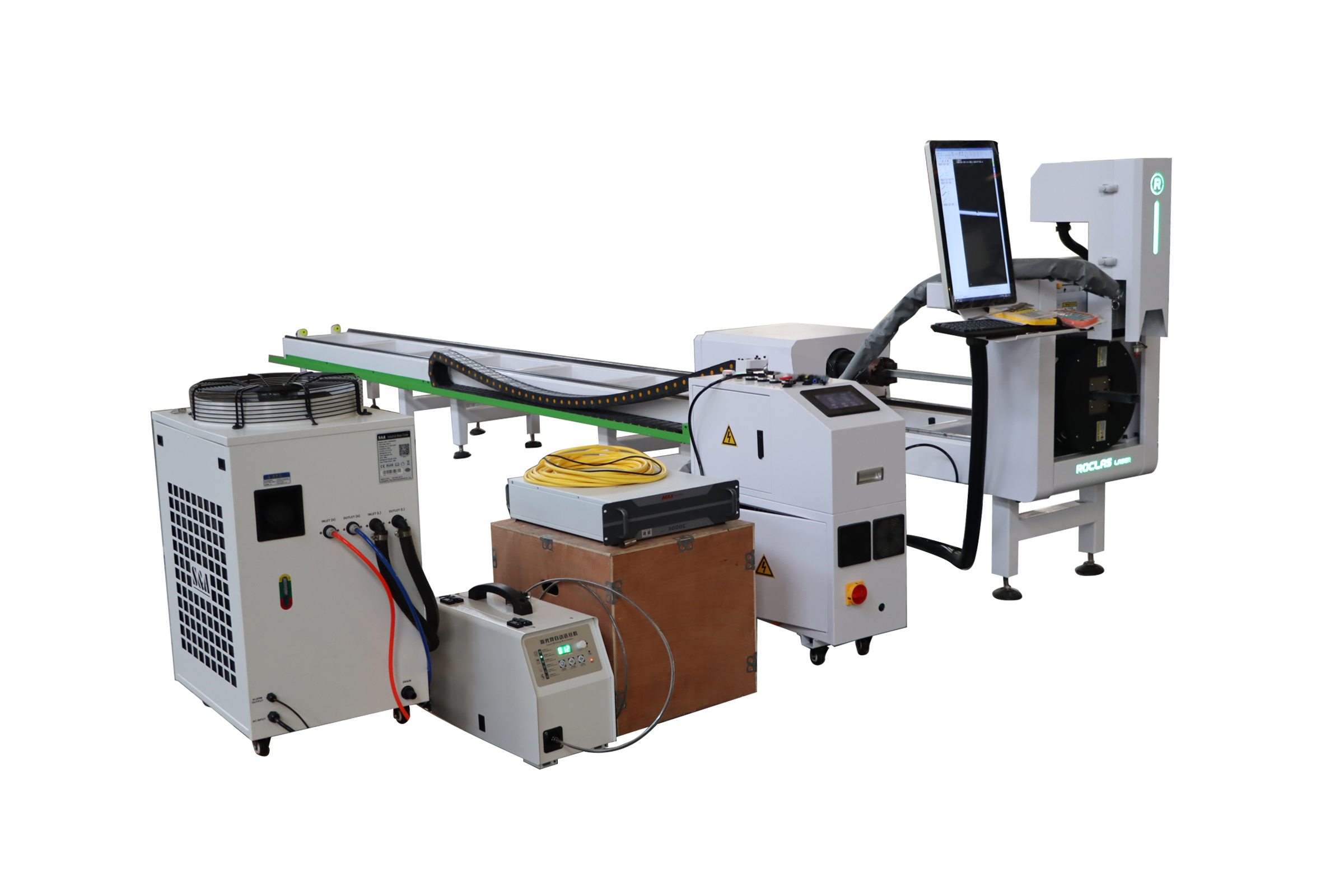
In the ecosystem of modern fabrication, from CNC woodworking centers to stone carving routers and laser metal cutters, the cutting nozzle occupies a deceptively small but disproportionately important role. It is the last mechanical element in the chain of energy delivery—whether that energy is a high-pressure waterjet, a laser beam, or a plasma arc. Its geometry, material composition, and alignment directly influence kerf width, edge quality, cutting speed, and consumable lifespan.
For laser cutting machines, the nozzle is responsible for directing the assist gas (oxygen, nitrogen, or compressed air) coaxial with the laser beam. In plasma cutting, it constricts the arc and shapes the gas flow. In waterjet systems, it focuses the abrasive-laden stream. Despite these differing principles, the nozzle's function remains the same: to concentrate energy and remove molten or vaporized material efficiently.
As production environments demand higher throughput and tighter tolerances, the choice of nozzle has moved from an afterthought to a strategic variable. This article explores the technical dimensions of cutting nozzle selection and maintenance, supported by market data and real-world application insights from leading equipment manufacturers.
2. Industry Background and Data Analysis
The global market for cutting nozzles is intrinsically linked to the broader CNC and laser cutting equipment market. As industrial automation accelerates, particularly in automotive, aerospace, furniture, and signage sectors, the demand for high-performance nozzles continues to grow.
Table 1: Comparative Analysis of Cutting Nozzle Parameters Across Technologies
| Parameter | Fiber Laser Nozzle | CO2 Laser Nozzle | Plasma Nozzle | Waterjet Nozzle |
|-----------|--------------------|-------------------|---------------|-----------------|
| Material | Copper alloy (CuCrZr) | Brass/Copper | Copper with hafnium insert | Tungsten carbide/sapphire |
| Typical Diameter (mm) | 0.5–3.0 | 1.0–2.5 | 0.8–2.0 | 0.1–0.5 |
| Operating Pressure (bar) | 2–25 | 0.5–10 | 4–6 | 3000–6200 |
| Wear Life (hours) | 200–800 | 100–500 | 50–200 | 50–200 |
| Cost per Unit (USD) | 5–30 | 3–15 | 8–25 | 20–80 |
| Impact on Edge Quality | Critical | Moderate | High | High |
| Replacement Frequency | High | Moderate | High | Moderate |
Interpretation of Table 1:
The data reveals several important trends. First, fiber laser nozzles exhibit the widest range of operating pressures (2–25 bar), reflecting their adaptability to different material thicknesses and gas types. For thin sheet metal cutting, low pressure with nitrogen minimizes oxidation; for thicker carbon steel, high-pressure oxygen is used to accelerate the exothermic reaction.
Second, the wear life of fiber laser nozzles (200–800 hours) is significantly longer than that of plasma nozzles (50–200 hours), which suffer from electrode erosion and thermal fatigue. This makes fiber laser systems more cost-effective over the long term, despite higher initial investment.
Third, waterjet nozzles are the most expensive per unit ($20–80) due to the use of ultra-hard materials like tungsten carbide or synthetic sapphire, necessary to withstand the extreme pressure of abrasive flow.
The nozzle diameter directly correlates with kerf width and cut quality. A 0.5 mm nozzle is typical for fine cutting of thin materials, while 3.0 mm nozzles are used for thick plate cutting where dross removal and gas flow stability are prioritized. Incorrect nozzle selection can lead to excessive dross, rough edges, and reduced cutting speed.
3. Technical Application and Brand Case Studies
3.1 The Nozzle in Laser Cutting Systems
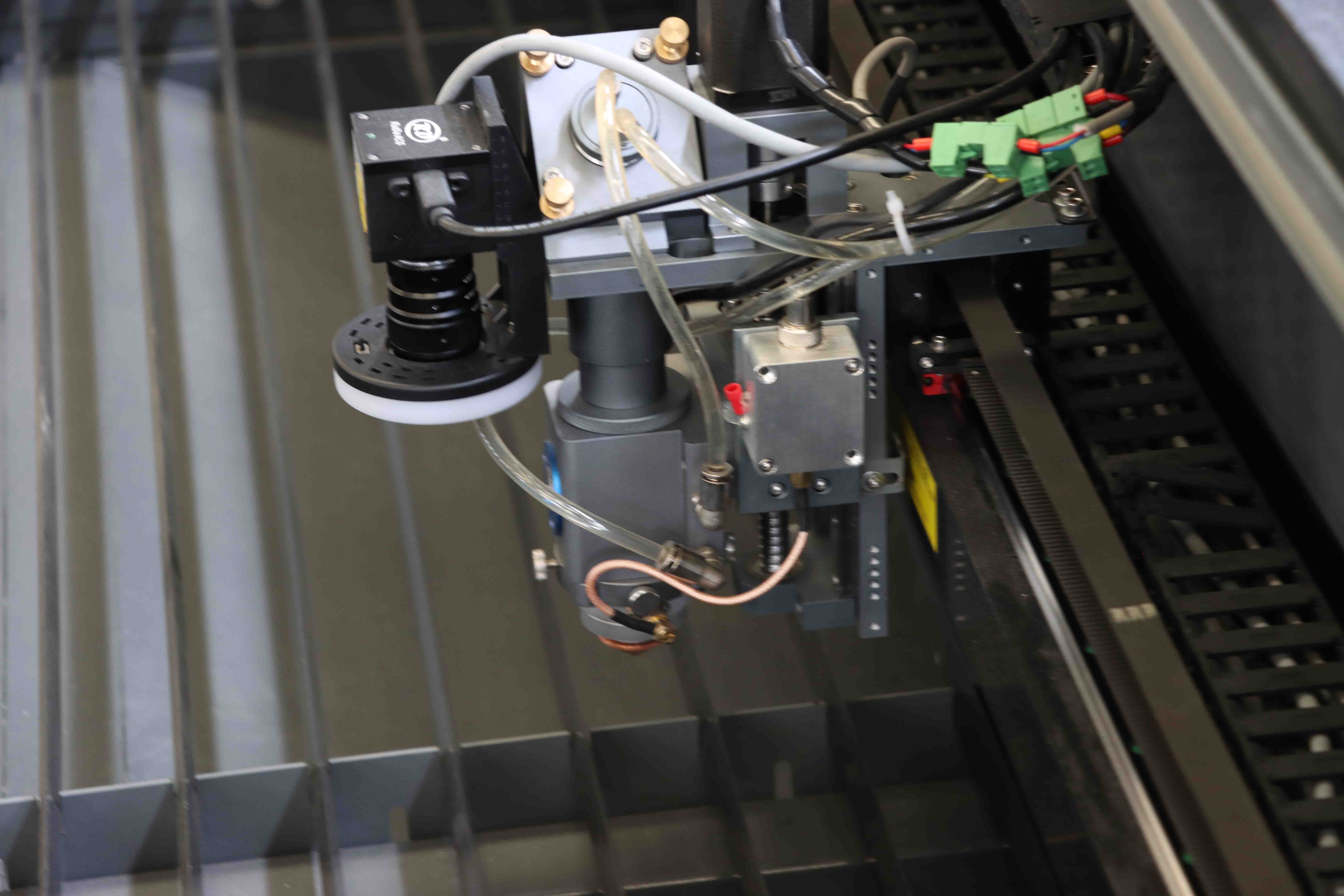
In fiber laser cutting, the nozzle is part of a capacitive height sensing system that maintains a constant standoff distance from the workpiece. This proximity is critical: a gap too large
Get a Quote
Regardless of whether you require general advice or specific support, we are happy to help you.
Recent Post
-
 The Ultimate Guide to High-Performance Fiber Laser Metal Cutting MachinesIntroductionFiber laser metal cutting machines have revolutionized the manufacturing industry with...2025-06-24 19:56:52
 -
 Understanding the Key Differences Between Fiber Laser and CO2 LaserIn the world of laser cutting and engraving, two types of lasers dominate the industry fiber laser...2025-03-30 09:31:59
 -
 The Ultimate Guide to Programmable Laser Cutters Revolutionizing Precision and EfficiencyIntroductionIn the realm of modern manufacturing and design, programmable laser cutters have emerg...2025-03-29 09:32:00
 -
 The Ultimate Guide to Steel Laser Cutting Techniques, Benefits, and ApplicationsIntroductionSteel laser cutting has revolutionized the manufacturing and fabrication industries, o...2025-03-24 08:31:07
 -
 Why Choose Roclas Fiber Laser Cutting for PED Components?IntroductionLaser cutting technology has revolutionized metal fabrication, offering unmatched prec...2025-06-16 07:49:19
 -
 The Evolution and Applications of Industrial Steel Cutters in Modern ManufacturingIntroductionIn the realm of modern manufacturing, the ability to precisely and efficiently cut thr...2025-03-26 07:31:53